
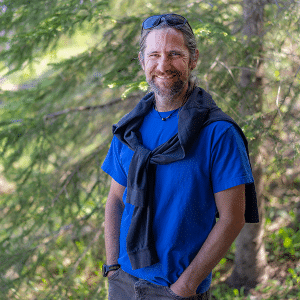
 This presentation will touch on the following topics:
- What makes wolf recovery in certain areas “successful”?
- Why can’t wolf recovery targets, where they have been restored, be met?
- Where should future effort be exerted, and where not?
Presenter:
- John A. Vucetich – Distinguished Professor, Michigan Technological University
This talk will be an update on the status of gray wolves in Europe.
Presenter:
Presenter:
 Daniel MacNulty – Professor, Department of Wildland Resources Quinney College of Agriculture and Natural Resources, Utah State University
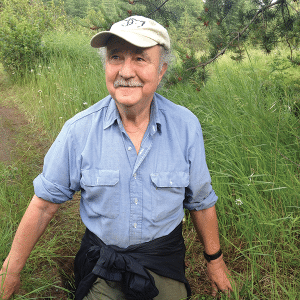 Hear a special conversation with International Wolf Center Founder Dr. L. David Mech reflecting on his 60+ years of wolf research. Evening also includes a presentation of the Dr. L. David Mech fellowship.
 “A Good Wolf is a feature-length documentary film that follows three groups of Alaskans as they find diverging ways to navigate a volatile controversy surrounding a single tract of land adjacent to Mount McKinley (Denali) National Park—a struggle between state and federal authorities, fur trappers and wildlife advocates, and competing human interests on public lands. Hanging in the balance are some of America’s most iconic animals and wild places.”
Director/Producer: Ramey Newell.
Introduction and Q & A
- Bridget Borg – Wildlife Biologist, National Park Service, Denali National Park and Preserve
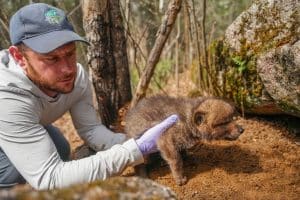 This presentation will review the age-old controversy surrounding wolves and the perceived and real impacts they have on recreational deer hunting opportunities. Attendees will be given an historical perspective of the early efforts undertaken to understand wolf predation on deer by IWC founder, Dr. L. David Mech and others, what they learned, and the gains made in recent time utilizing technological developments that have allowed researchers to ask more penetrating questions – and get the answers. Finally, this presentation will explore the manners in which messaging of scientific investigations can reach broader audiences, including deer hunters.
Presenter:
- Tom Gable – Project Lead, Voyageur Wolf Project